By Damian Johnson, Owner of Spot-On Home Improvements
After remodeling homes since 2013, I’ve found that one of the biggest mistakes homeowners make when planning a bathroom renovation is looking at individual components rather than the bathroom as a whole.
Homeowners often want to replace a bathtub, update a shower or install new tile without touching the rest of the bathroom. While that sounds like a reasonable way to save money, it can quickly become more complicated than anticipated. Sometimes, the best financial decision is to wait a little longer, save a little more and complete the renovation correctly the first time.
Everything in a Bathroom Is Connected
Bathrooms are relatively small spaces containing plumbing, flooring, cabinetry, electrical fixtures, wall finishes and waterproofing systems. Nearly every component touches or interacts with another. When you change one thing, you may inadvertently create the need to change several others. I call this the domino effect of bathroom remodeling.
Why Replacing a Bathtub Isn’t Always Just Replacing a Bathtub
A homeowner might tell me, “We just want a new bathtub.” It sounds simple enough. However, in many older bathrooms throughout Cleveland, Akron and surrounding cities, the existing bathtub is surrounded by tile that continues around the entire bathroom.
Replacing that bathtub may require removing the surrounding shower tile. If that tile connects to the remaining wall tile, we now have another decision to make. Removing the remaining wall tile properly may also require temporarily removing the vanity and toilet.
Then there’s the flooring. If the new bathtub has a different footprint or apron profile than the original, it could expose unfinished flooring, damaged materials or gaps that cannot easily be concealed.
Suddenly, what began as a bathtub replacement could involve bathtub installation, shower wall demolition, wall tile removal, waterproofing, vanity and toilet removal, flooring replacement, wall repairs and painting. None of these additional considerations necessarily means something went wrong. They are simply the result of how the original bathroom was constructed.
The Challenges of Remodeling Older Bathrooms
Many older homes in communities such as Lakewood, Shaker Heights, Cleveland Heights and Akron contain plaster walls rather than modern drywall. When removing tile from plaster, it can be difficult to preserve the underlying wall surface. Replacing only the damaged section with drywall can create another problem: the thickness of the original plaster may not match the new drywall, leaving an uneven transition.
Although these transitions can sometimes be corrected, replacing the entire affected wall may be a more practical solution for achieving a smooth, consistent finish. Inside wet areas, appropriate tile backing and waterproofing must also be considered. The Tile Council of North America provides industry resources on tile assemblies.
Saving Money Today Can Mean Spending More Tomorrow
I understand why homeowners want to limit the scope of their renovations. Everyone has a budget, and remodeling is a significant investment. However, completing a bathroom in separate stages can sometimes mean paying for the same work twice.
Replacing flooring today and installing a differently sized vanity or bathtub two years later could require disturbing that recently installed flooring. Similarly, replacing shower tile without considering future plumbing upgrades could mean reopening a finished wall. The goal shouldn’t necessarily be to spend more money. It should be to spend your money wisely.
Explore our bathroom remodeling cost guide for budgeting considerations.
When Does a Partial Bathroom Remodel Make Sense?
Not every bathroom requires a complete renovation. Individual improvements can sometimes be completed successfully without disturbing surrounding finishes.
| Potential independent upgrade | When broader work may be needed |
|---|---|
| Toilet or similarly sized vanity | Different footprint, plumbing or unfinished flooring |
| Lighting, mirrors or painting | Wiring changes or damaged walls |
| Bathtub or shower replacement | Connected tile, waterproofing or flooring |
The important distinction in a partial vs. full bathroom remodel is understanding what can realistically be separated from the rest of the bathroom.
A Real-World Example: Bathroom Remodeling in Rocky River, Ohio
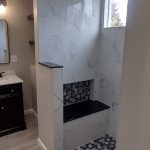
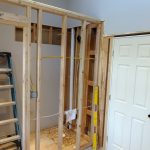
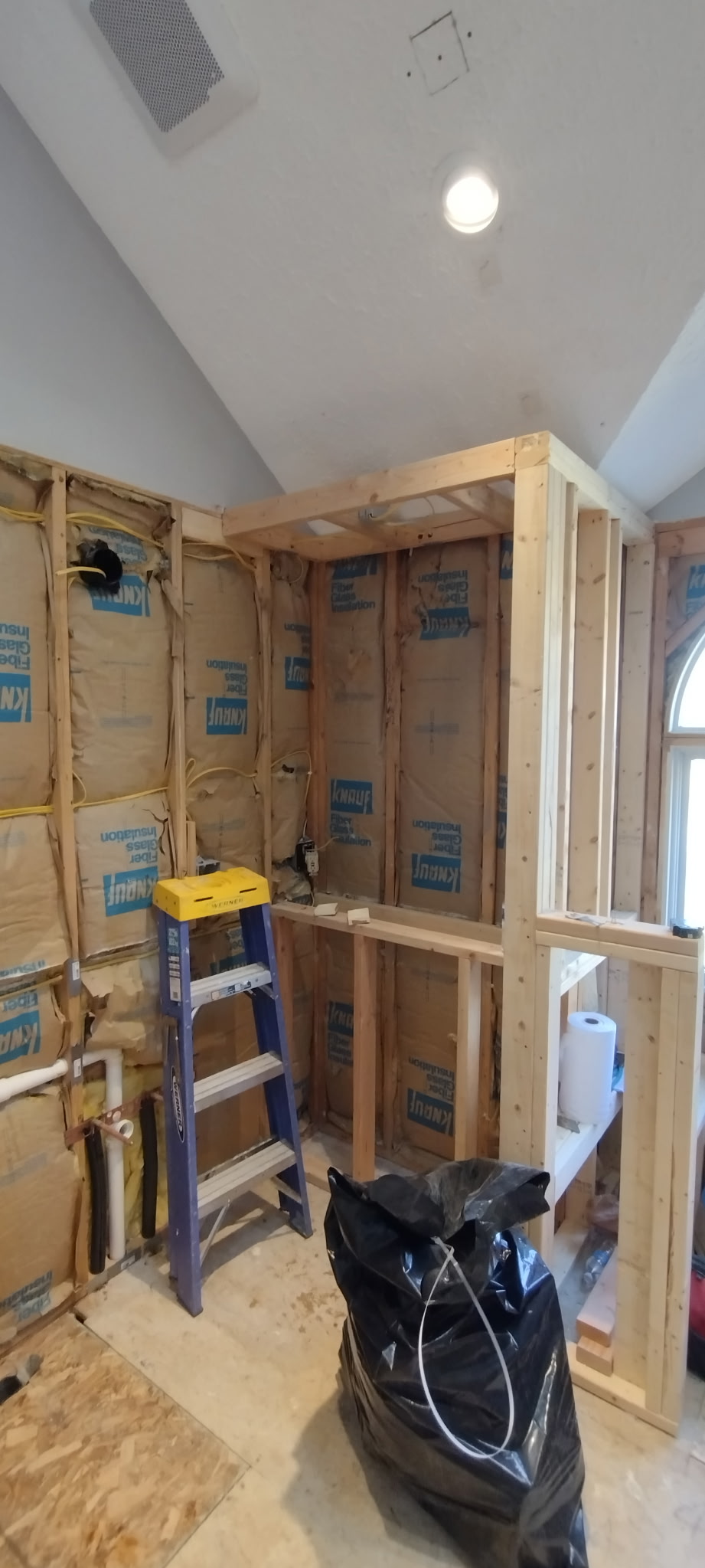
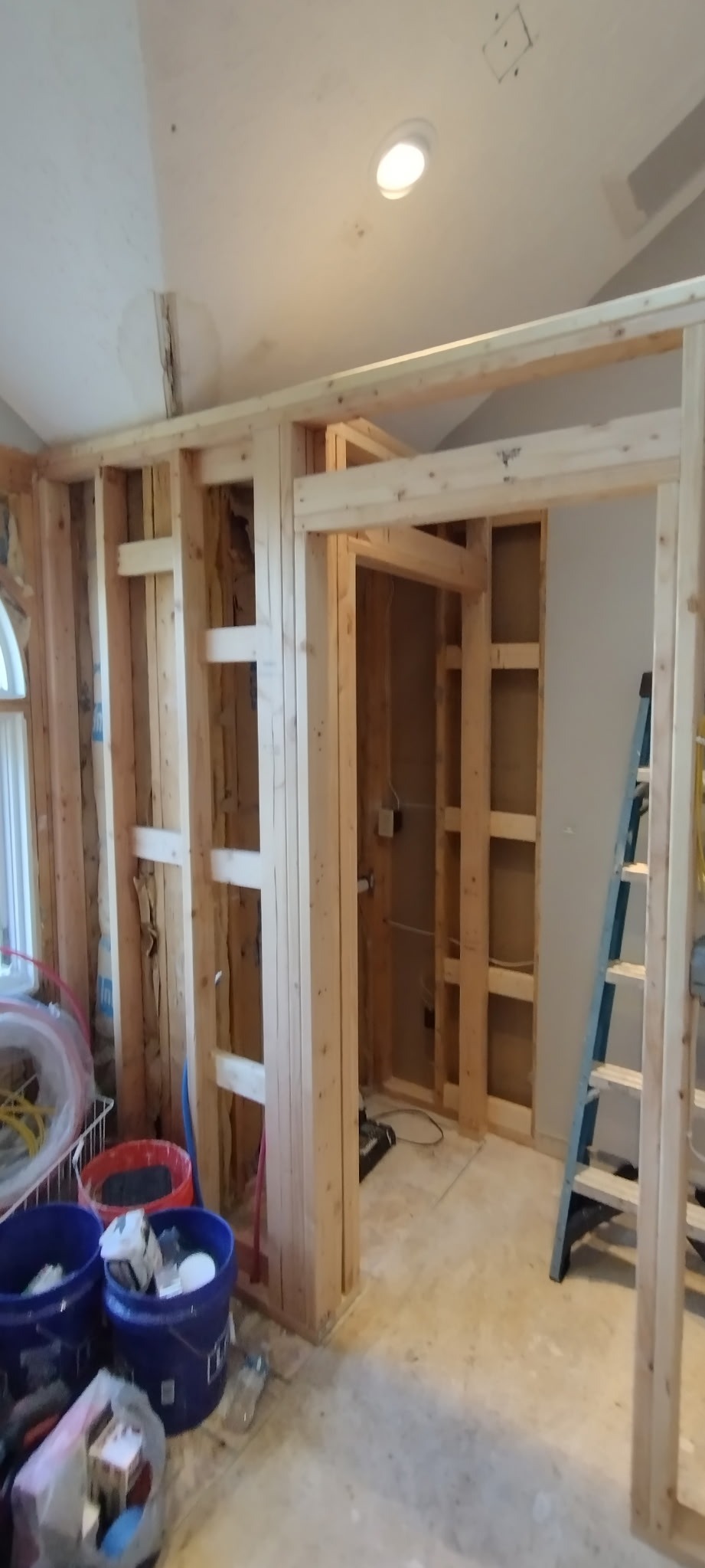
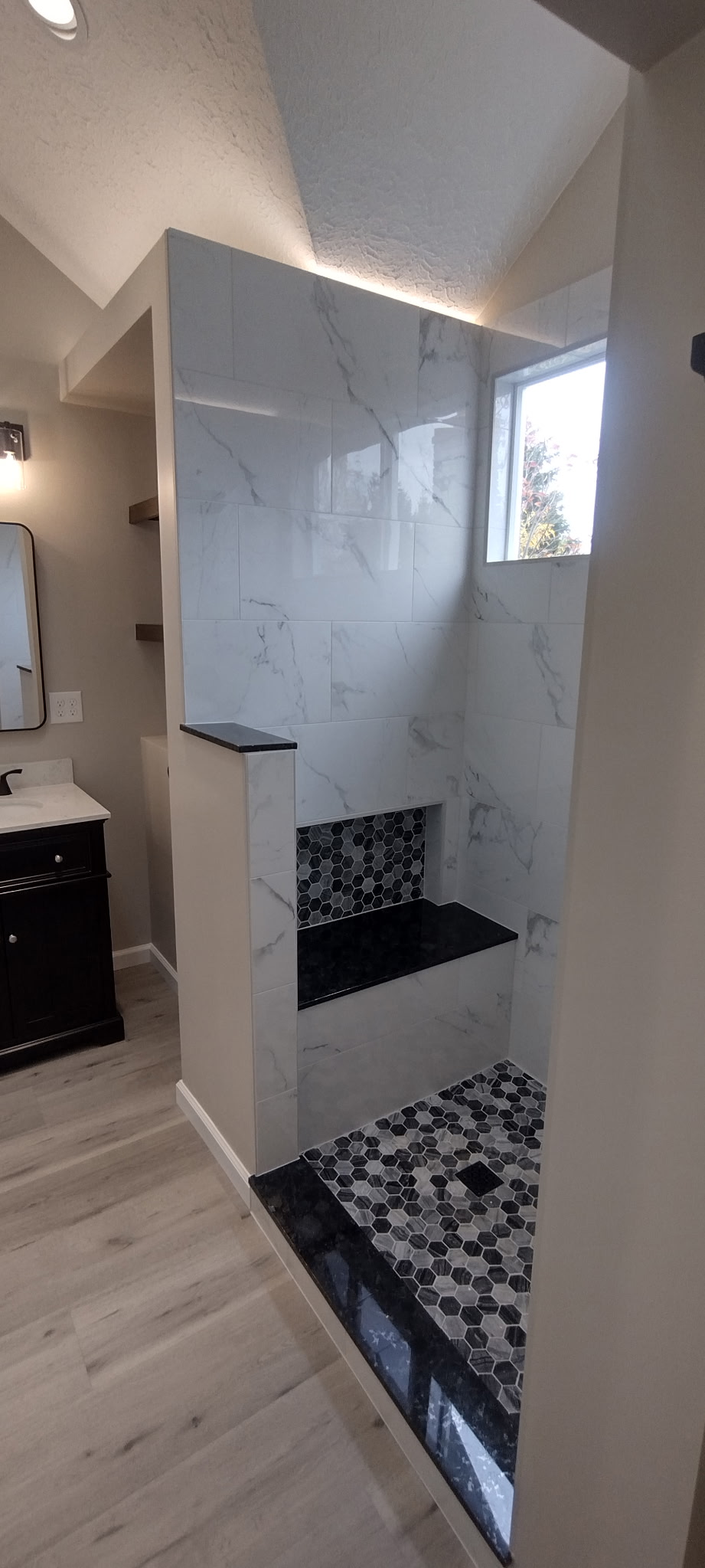
During our Rocky River bathroom renovation, our team relocated the shower to the former bathtub area, modified framing, installed a custom shower bench and niche, upgraded lighting and installed new flooring and a 72-inch double vanity.
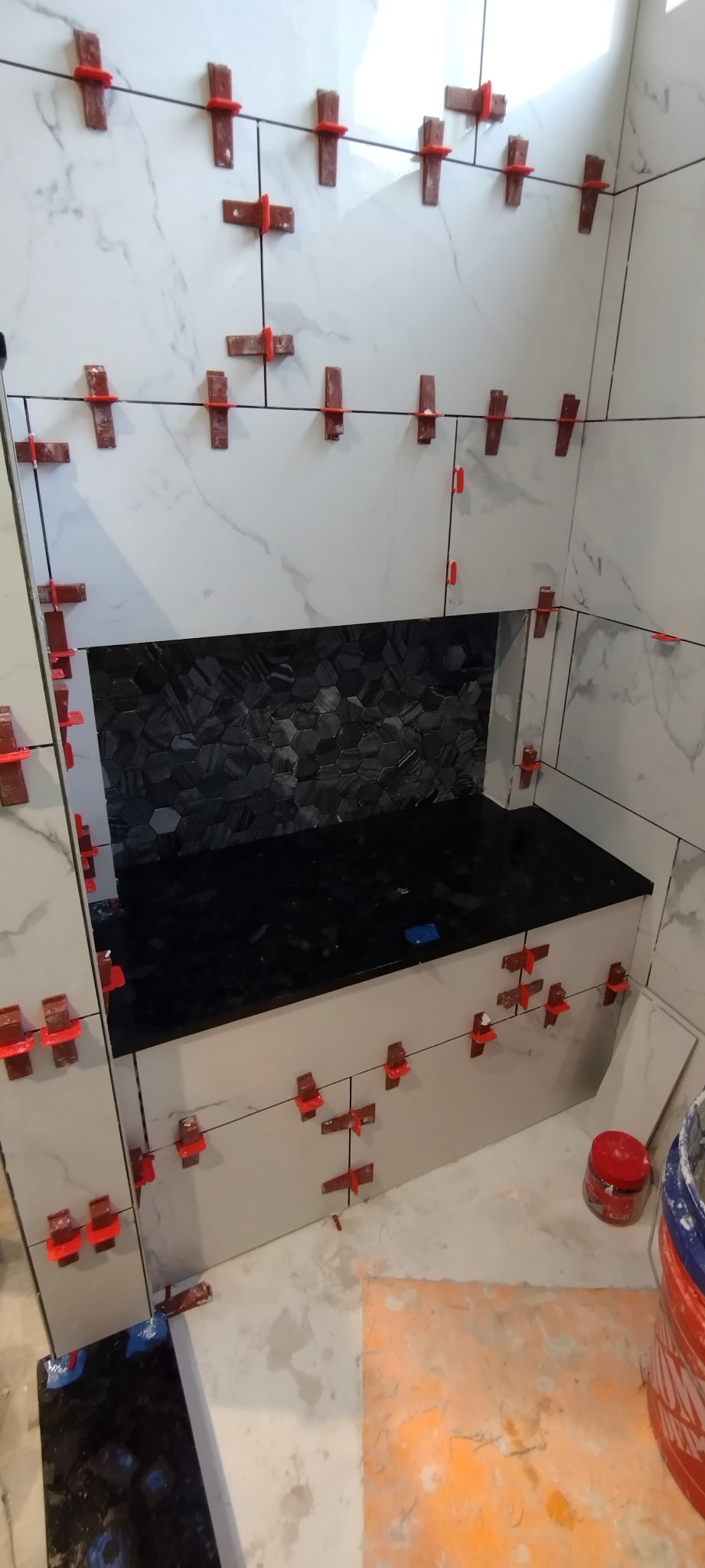
These photographs illustrate how much goes into a bathroom renovation beyond the finished surfaces. Framing, plumbing, electrical work, shower construction, tile and flooring must all be considered together. Much of the craftsmanship that determines quality and longevity is hidden behind the walls.
Plan the Entire Bathroom Before Starting
Even if you aren’t financially prepared to complete a full bathroom renovation today, consider planning the entire space before beginning individual improvements.
- Are you eventually planning to replace the flooring?
- Would you prefer a walk-in shower instead of a bathtub?
- Do you want a larger vanity or additional storage?
- Would better lighting or ventilation improve the space?
- Are there accessibility features you may want in the future?
Understanding the complete vision allows your contractor to identify potential conflicts and recommend an appropriate sequence of work. Try our interactive bathroom planner or explore our layout and design services. The National Kitchen & Bath Association planning guidelines are another useful resource.
The Same Principle Applies to Kitchens
Kitchen cabinets, countertops, backsplashes, flooring, plumbing and appliances are also interconnected. Changing cabinet dimensions may expose unfinished flooring. Replacing countertops can affect the backsplash. Changing the layout may require electrical, plumbing or ventilation modifications. Understanding how individual components work together is essential to a successful renovation.
Frequently Asked Questions
Can I replace my bathtub without remodeling my entire bathroom?
Yes, in some cases. It depends on the bathtub dimensions, surrounding tile, plumbing, flooring and existing waterproofing.
Is it cheaper to remodel a bathroom in stages?
It can be, but overlapping demolition, labor and material replacement may make phased renovations more expensive over time.
Do plaster walls always need to be removed?
No. Sound plaster can sometimes be retained or repaired. The appropriate approach depends on its condition and proposed finishes.
Should I wait until I can afford a complete bathroom remodel?
If your existing bathroom is functional and safe, waiting may be worthwhile when your planned improvements are interconnected. Active leaks, unsafe conditions and water damage should be addressed promptly.
Remodel With the Entire Space in Mind
At Spot-On Home Improvements, our approach goes beyond replacing individual fixtures or installing new finishes. We want homeowners to understand how their decisions affect the entire space, both today and years into the future. Our goal is to create bathrooms and kitchens that look beautiful, function properly and provide lasting value.
If you’re considering a bathroom renovation in Cleveland, Akron or surrounding cities, contact Spot-On Home Improvements to develop a plan that makes sense for your home and budget.
When Quality Matters.