The Stories Behind the Home | Spot-On Home Improvements
Why did anyone put an enormous cast-iron bathtub on four tiny animal feet? The answer involves fashionable furniture, a Wisconsin foundry, the arrival of indoor plumbing, and the way Americans learned to think about cleanliness.
Before the bathroom was a room
For much of American history, taking a bath meant carrying and heating water. Portable tubs could be brought into a room and emptied afterward. As plumbing and dedicated bathrooms spread, tubs became permanent household fixtures. But their appearance still owed something to the furniture around them.
Why claws? Furniture came first
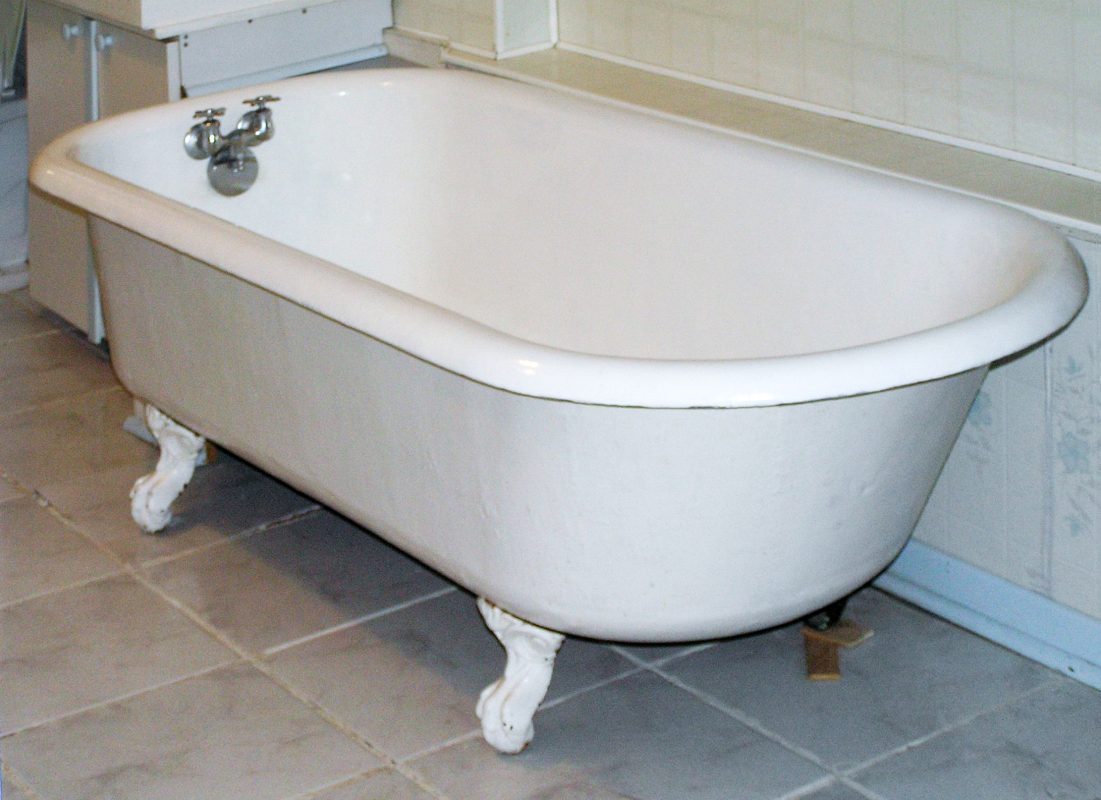
Ball-and-claw feet appeared on fine furniture long before they supported plumbing fixtures. Craftspeople carved paws or talons gripping a ball, a decorative language associated with earlier Asian motifs and eighteenth-century furniture design. Victorian-era tub manufacturers adapted those recognizable forms to a new kind of household centerpiece. Not every antique tub had identical feet: lion-paw, eagle-claw, and plainer pedestal shapes all appeared.
Illustrated guide: three common foot designs
Lion’s paw
A sculpted animal-paw shape
Ball-and-claw
Talons gripping a rounded ball
Simple pedestal
A less ornate supporting foot
Design guide is schematic, not a reproduction of a historical manufacturer’s catalog.
A bathtub, a cow, and fourteen chickens
In 1883, John Michael Kohler’s company sold an enameled cast-iron hog scalder or water trough as a bathtub. The company’s own archives identify this as its first plumbing product. Kohler also recounts the famous story that an early tub was traded for one cow and fourteen chickens—a colorful company legend rather than a documented market price. The breakthrough was practical: strong cast iron could be coated with enamel to make a smooth bathing surface.
That origin is worth remembering. A product now associated with elegant historic homes emerged partly from the same industrial know-how used to make agricultural equipment.
Why raise the tub above the floor?
The feet made the tub visually lighter and gave access to the floor beneath it. As ideas about household sanitation changed, exposed plumbing and washable surfaces became increasingly desirable. Elevating a freestanding tub could help people see and clean below it—although the precise design of individual feet was primarily decorative.
From freestanding to built-in: a short timeline
1700s: Ball-and-claw ornament becomes prominent in furniture design.
1800s: Portable bathing gradually gives way to dedicated plumbing fixtures in more homes.
1883: Kohler sells an enameled iron trough as a bathtub.
1911: Kohler introduces a bathtub with an integral apron, a milestone in the shift toward built-in tubs.
Today: Restored cast-iron tubs and modern freestanding reproductions coexist with built-in models.
Why clawfoot tubs lost ground—and why they returned
Built-in tubs suited the increasingly standardized bathrooms of the twentieth century. They used space efficiently and avoided the awkward gap beneath and behind a freestanding fixture. Yet clawfoot tubs retained an appeal that went beyond function: their silhouette, craftsmanship, and sense of history.
Today, a homeowner considering one should look beyond appearance. The room needs adequate circulation space, the floor must support the filled tub and its occupants, and plumbing, cleaning access, and entry height all matter. An older cast-iron fixture can be especially heavy. A good layout begins with how people will actually use the room.
The work behind the finish
At Spot-On Home Improvements, we enjoy the stories behind familiar home fixtures because understanding their evolution helps us make better remodeling decisions today. Our bathroom remodeling services are available throughout Cleveland and Akron, Ohio and surrounding cities, with insured and bonded skilled craftsmen focused on thoughtful, lasting work.
Considering a bathroom renovation? Schedule a free consultation.
Spot-On Home Improvements — When Quality Matters.