
The Complete Guide to Kitchen Remodeling in Cleveland: Costs, Timelines, and Design Ideas
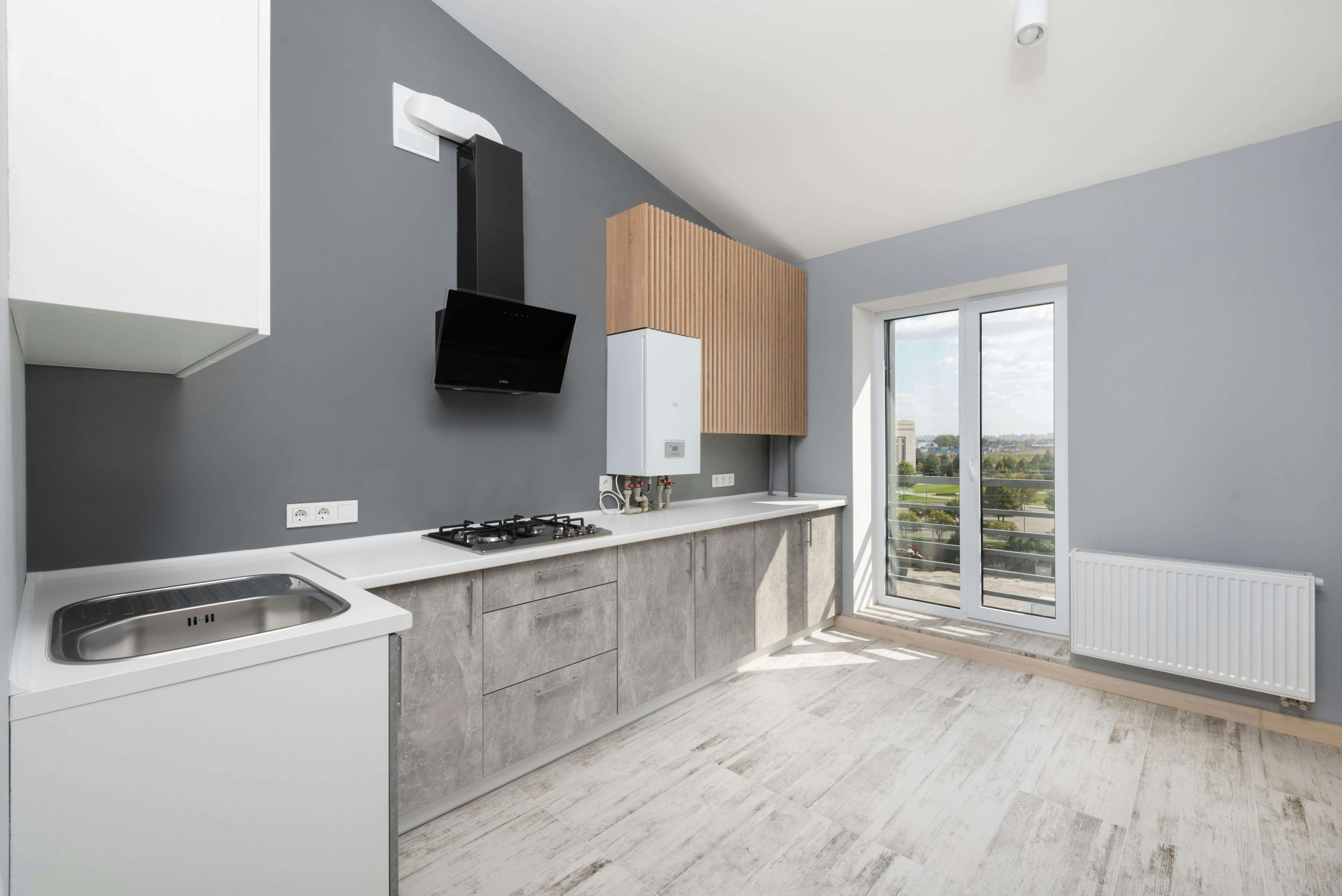
Your kitchen is the most-used room in your home, but it’s often the most neglected.
Many Northeast Ohio homes were built in an era when kitchens were small, closed off, and purely functional. If yours feels cramped, dark, or out of step with how you actually live, you’re not imagining it; the layout itself may be working against you.
That’s the thing most homeowners don’t realize until they’re deep into a project.
Kitchen remodeling in Cleveland requires careful planning because older home layouts, infrastructure limitations, and material choices can significantly impact both cost and timeline.
If you’re considering a remodel, you’re most likely asking the right questions: What will it cost? How long will it take? And what decisions actually matter? This guide breaks it all down so you can move forward with clarity.
So, whether you’re in Cleveland, Akron, or nearby areas like Lakewood, Hudson, or Chagrin Falls, this is the framework you need to make a confident, informed decision.
How Much Does Kitchen Remodeling Cost in Cleveland?
Kitchen remodeling in Cleveland typically costs between $15,000 and $50,000+, depending on the size of your kitchen, the materials selected, and whether you’re changing the layout.
Here’s how those numbers break down across three common project tiers.
Basic Remodel: $15,000–$30,000
A basic remodel focuses on refreshing what’s already there without making structural changes. This typically includes:
- Cabinet refacing or stock cabinets
- Laminate or entry-level countertops
- Updated hardware and fixtures
- Minor cosmetic improvements, such as paint and lighting.
The layout stays the same, which keeps labor costs manageable. This is a good option if your kitchen’s bones are solid and you primarily want a visual refresh.
Mid-Range Remodel: $30,000–$50,000
This is where most Cleveland homeowners land when they want a meaningful transformation. A mid-range project typically includes:
- Semi-custom cabinetry
- Quartz countertops
- Upgraded flooring (tile, hardwood, or luxury vinyl plank)
- Improved lighting
- Updated appliances (and even finishes)
You may also see some minor layout adjustments at this price point, though significant structural changes will push costs toward the higher end.
High-End Remodel: $50,000 and Above
At the high end, you’re looking at:
- Custom cabinetry built to your exact specifications
- A full layout redesign (which may involve moving plumbing, gas, or electrical)
- Premium materials throughout
- High-end appliances
These projects are common in larger homes, especially in Westlake, Hudson, and Chagrin Falls, where kitchens are bigger, and design expectations are higher.
Keep in mind: These ranges reflect the Northeast Ohio market. Prices vary based on your specific home, contractor, and current material costs. Getting a detailed estimate is always the most accurate way to budget your project.
What Actually Drives the Cost? (What Homeowners Often Underestimate)
The biggest cost drivers in a kitchen remodel are layout changes, cabinetry, and labor complexity, not just materials.
Most homeowners assume that choosing more affordable countertops or flooring will significantly lower the budget. It can help at the margins, but the real money is in the structural and labor-intensive work.
1. Layout Changes
Moving major plumbing or removing walls can increase the costs of your kitchen remodel significantly.
The work adds time and cost to any project, but it’s often necessary in older Cleveland homes where the original kitchen layout simply doesn’t function well for modern living.
Even moving a kitchen island or doing away with a peninsula to create an open-concept flow can trigger plumbing and electrical work you didn’t anticipate.
2. Cabinetry
Cabinets are consistently the largest single line item in a kitchen remodel, often representing up to 40% of the total kitchen remodeling budget.
The gap between stock cabinets (ready-made, limited sizes), semi-custom cabinets (more size and finish options), and fully custom cabinets (built to your exact specs) is enormous—both in price and in quality.
3. Labor and Trade Coordination
A full kitchen remodel involves multiple skillsets: carpenters, electricians, plumbers, tile setters, and sometimes HVAC contractors.
Coordinating schedules and managing the sequencing of work is where project management experience becomes invaluable. Labor typically accounts for up to 35% of the overall project cost.
Kitchen Remodeling Timeline: What to Expect
Most kitchen remodeling projects in Cleveland take 6-10 weeks for construction, with additional time required for planning, design, and material selection.
Here’s a realistic breakdown of the full timeline from start to finish:
Phase 1: Planning & Design (2–4 weeks)
This is where we work together to establish the scope, budget, and develop the design. For complex projects involving layout changes, this phase may extend as drawings and structural considerations are worked through.
Phase 2: Material Selection (2–3 weeks)
Cabinets, countertops, flooring, fixtures, and appliances all need to be selected and ordered before construction can begin. Lead times for semi-custom cabinets alone can run 4–6 weeks from the order date, so this phase directly impacts your overall schedule.
Phase 3: Construction (4–8 weeks)
This is the active build phase: demolition, rough-in work (plumbing, electrical, framing), cabinet installation, countertop templating and installation, flooring, tile, and fixtures.
A realistic timeline must account for these variables upfront.
The Step-by-Step Kitchen Remodeling Process
Understanding the process before you start helps eliminate the anxiety that often accompanies a major renovation.
- Initial Consultation: An in-home visit to assess your space, understand your goals, and discuss realistic budget ranges. This is where you establish priorities
- Design Development: A design plan is created based on your goals, lifestyle, and budget. This includes layout, cabinet configurations, material selections, and lighting plans
- Material Selection & Ordering: Cabinets, countertops, tile, flooring, fixtures, and appliances are finalized and ordered. Nothing gets ordered until the design is locked in
- Demolition: The old kitchen is carefully removed. This is when hidden issues (outdated wiring, water damage, structural surprises) are most likely to surface
- Rough Construction: Plumbing, electrical, and framing changes happen at this stage.
- Cabinet & Countertop Installation: Cabinets go in first; countertops are templated after cabinet installation and typically arrive 2–4 weeks later.
- Flooring, Tile & Fixtures: Flooring, backsplash tile, lighting, plumbing fixtures, and appliances are installed and connected
- Final Walkthrough: A thorough review of the completed project to ensure everything meets quality standards and your expectations before the job is closed out.
At Spot-On Home Improvements, we follow a structured process that keeps communication clear and the project moving, so you’re never left wondering what happens next.
Kitchen Design Ideas That Work for Cleveland Homes
Kitchen design trends are useful as inspiration, but the best designs are always rooted in the realities of the specific home.
In Cleveland and its surrounding communities, that means accounting for some consistent architectural characteristics.
Older Homes in Lakewood, Cleveland Heights, and West Park
Many homes in Lakewood and Cleveland Heights were built in the early-to-mid 20th century with smaller, compartmentalized kitchens with limited natural lighting.
Best solutions include:
- Open-concept conversions
- Removing non-load-bearing walls
- Expanding visual space with lighter finishes
In homes where square footage can’t be added, smart storage design (drawer organizers, pull-out shelves, cabinet inserts) can dramatically improve how the space functions.
Design Features Worth Considering Across the Region
Open-concept layouts. These continue to be highly desirable, particularly in homes that feel dark or disconnected. When kitchen remodeling in Lakewood or Cleveland Heights involves removing walls, the investment tends to pay both functional and resale dividends.
Kitchen islands work well in mid-range and larger kitchens, adding prep space, seating, and storage. In tighter layouts, a rolling island or a peninsula can achieve similar results without committing to a permanent footprint.
Layered lighting. Combining recessed ceiling lights with under-cabinet lighting and a statement pendant over an island transforms how a kitchen feels in the evening and during food prep.
Increased storage through ceiling-height cabinetry, deep drawers for pots and pans, and built-in pantry solutions address one of the most common complaints in older Cleveland-area kitchens.
In Westlake, Hudson, and Chagrin Falls, where homes tend to be larger, and kitchens often have more square footage to work with, design can lead to full custom cabinetry, larger islands, and more elaborate material combinations.
The Best Materials for Kitchen Remodeling
Choosing the right materials impacts durability, maintenance, and long-term satisfaction. Most common choices include:
Countertops
Quartz is the most popular choice in mid-range and high-end remodels because it’s durable, non-porous, low-maintenance, and consistent in appearance.
Granite remains a strong option for those who prefer the character of natural stone and are comfortable with periodic sealing.
Laminate or Butcher Block countertops have improved significantly and are a practical choice for basic remodels where budget is the primary constraint.
Cabinetry
The durability and longevity of your cabinets are directly tied to how they’re constructed. Solid wood or plywood box construction outperforms particleboard in moisture-prone environments like kitchens.
Soft-close hinges and drawer glides are now considered standard in mid-range and above. Finish choices (painted, stained, or thermofoil) affect both appearance and maintenance requirements.
Flooring
Tile is durable, water-resistant, and easy to clean, making it a practical kitchen choice—though it can feel hard and cold underfoot.
Hardwood adds warmth and is highly desirable for resale, but requires more maintenance and is susceptible to moisture over time.
Luxury vinyl plank (LVP) has become a strong option at the mid-range level: it’s waterproof, comfortable underfoot, available in realistic wood and stone looks, and typically more affordable than hardwood.
Common Kitchen Remodeling Mistakes to Avoid
Top mistakes homeowners make when remodeling a kitchen include:
- Poor layout planning: Prioritizing aesthetics or looks over how the kitchen actually functions
- Ignoring storage needs: Not planning for interior organization: enough cabinets or pantry space
- Underestimating the budget: Forgetting to include contingency costs (10–20%) for unexpected conditions
- Choosing style over function: Dwelling on trendy designs that don’t support daily use. For example, open shelving looks great in design magazines, but requires consistent maintenance
- Starting without a complete plan: Skipping expert guidance and making design changes mid-construction is one of the most reliable ways to blow your budget and extend your timeline
How Kitchen Remodeling Fits Into Your Overall Home Remodeling Plan
For many homeowners, the kitchen isn’t the only room due for an update. If you’re already planning a kitchen remodel in Cleveland, it’s worth considering whether a bathroom remodel makes sense to pursue at the same time or in close sequence.
Pairing a kitchen remodel with a bathroom remodel in Cleveland offers several practical advantages:
- Trade scheduling becomes more efficient when multiple scopes of work are being managed together.
- Design choices (tile profiles, hardware finishes, color palettes) can be coordinated for a more cohesive result throughout the home.
- The disruption of construction happens in one concentrated period rather than two separate ones spaced months or years apart.
Whether you’re pursuing a kitchen-only project or a broader home remodeling in Cleveland scope, the same principle applies: clarity on your goals and a complete plan before construction begins is what separates smooth projects from stressful ones.
For additional inspiration on design directions that complement a kitchen remodel, our previous kitchen designs and bathroom upgrades that add everyday value are worth exploring.
Kitchen Remodeling in Cleveland and Surrounding Areas
Spot-On Home Improvements serves homeowners across Summit and Cuyahoga Counties, and while the fundamentals of kitchen remodeling are consistent, each community has its own character worth understanding.
Cleveland and the surrounding neighborhoods encompass a wide range of home ages and styles. Many older homes in areas like Lakewood, West Park, Tremont, and Ohio City benefit most from opening up closed-off layouts and modernizing outdated systems before focusing on finishes.
Kitchen remodeling in Lakewood often involves working within tighter footprints. The charming older homes here tend to have smaller kitchens that reward smart spatial planning—maximizing every inch through well-designed cabinetry and thoughtful layouts.
Kitchen remodeling in Hudson typically involves larger homes with more generous kitchen footprints. Projects here tend to be mid-range to high-end, often incorporating full layout redesigns, custom cabinetry, and premium material selections.
Kitchen remodeling in Chagrin Falls shares some similarities with Hudson, well-established homes where owners are investing in long-term quality. Design expectations tend to be high, and details like millwork, custom lighting, and specialty tile work are common.
Bathroom remodeling in Lakewood, Hudson, and Chagrin Falls follows similar patterns above. In Lakewood, space efficiency is often the priority. In Hudson and Chagrin Falls, the focus tends to be on spa-like design and premium finishes.
If you’re considering bathroom remodeling in Hudson or bathroom remodeling in Chagrin Falls alongside your kitchen project, the coordination benefits are significant.
Is a Kitchen Remodeling Worth It?
Absolutely! Kitchen remodeling typically provides a 60 to 80 % return on investment while significantly improving daily functionality, making it one of the highest-value home improvements available to Northeast Ohio homeowners.
But the return on investment calculation is only part of the picture.
A well-designed kitchen changes:
- How do you experience your home every single day
- How you cook and entertain
- How much time do you actually spend in the space
- How it feels to come home
For those preparing to sell, the National Association of Realtors consistently identifies kitchen upgrades as among the most influential factors in buyer decision-making and perceived home value.
The answer to “is it worth it?” is almost always yes, provided the kitchen remodeling project is well-planned, appropriately budgeted, and executed by professionals who understand the specific demands of the area.
Make Your Move: Build Smart, Not Just Beautiful
The best kitchen remodels don’t start with picking countertops; they start with a clear conversation about how you live, what’s not working, and what success looks like when the project is done.
If you’re a homeowner in Cleveland, Lakewood, Hudson, Chagrin Falls, or anywhere in Summit or Cuyahoga County, Spot-On Home is ready to help you think through the decisions that matter most before anything gets built.
Contact us today, and let’s build something worth coming home to.
Frequently Asked Questions
Q: How much does a kitchen remodeling cost in Cleveland?
A: Typically between $15,000 and $60,000+, depending on size, materials, and layout changes, and the project complexity.
Q: How long does a kitchen remodel take?
A: Construction takes 6 to 10 weeks, with an additional 4–7 weeks for planning, design, and material ordering.
Q: What’s the most expensive part of a kitchen remodel?
A: Cabinetry and layout changes (plumbing, electrical, structural work) are the major cost drivers.
Q: Do I need permits for a kitchen remodel in Cleveland?
A: Yes, especially if you’re making structural, plumbing, or electrical changes. A licensed contractor will handle the applications.
Q: Can I stay in my home during kitchen remodeling?
A: Yes, but expect disruptions. Many homeowners set up a temporary kitchen during construction.