Kitchen Remodeling for Social Cooking: Bringing People to the Prep Zone
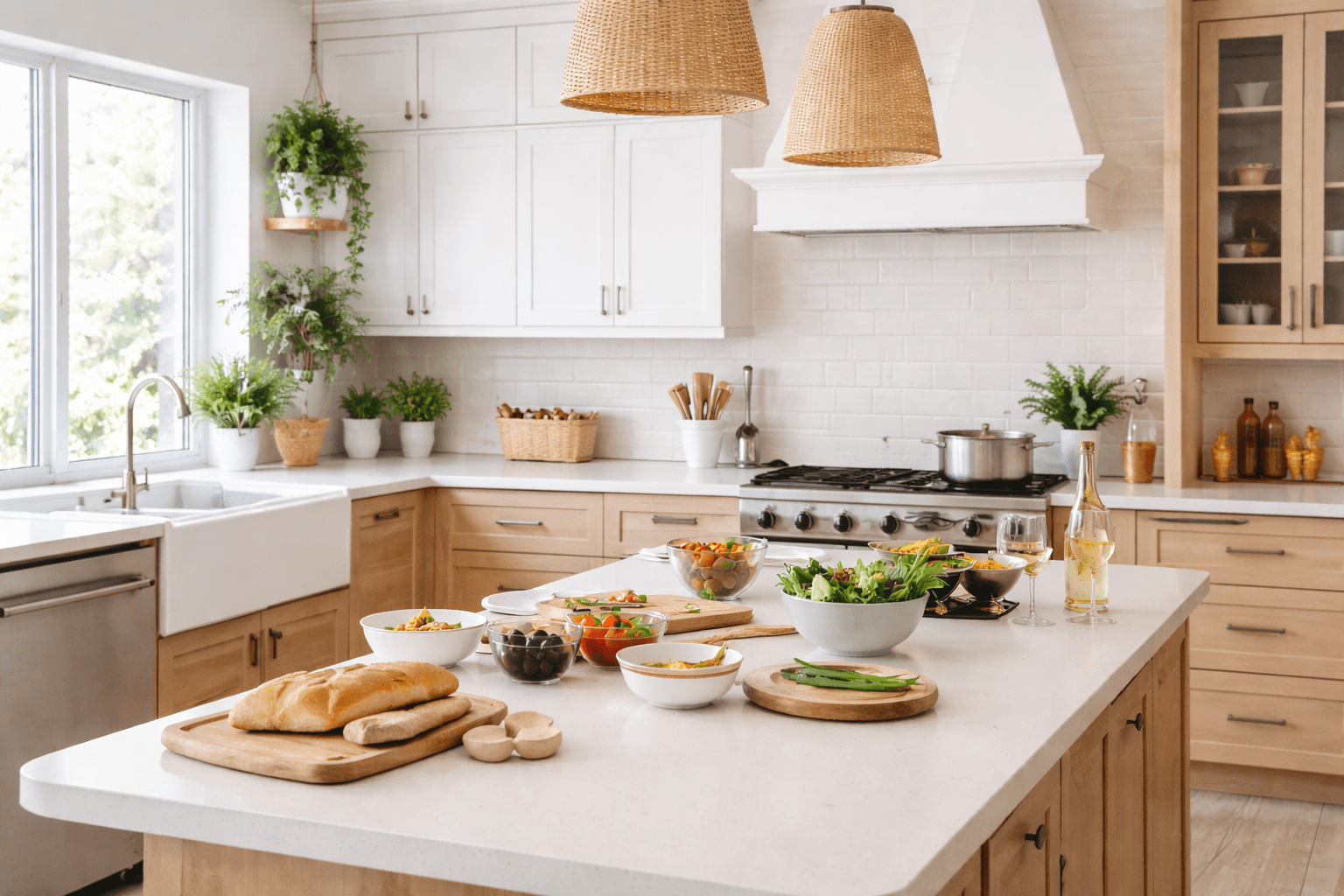
The kitchen used to be where one person cooked while everyone else waited. In 2026, that’s changing.
Today’s kitchens are being designed around a simple idea: Cooking isn’t a solo task — it’s a social experience.
Families gather. Kids snack and talk. Friends pour drinks. Couples prep dinner together. And the kitchen is no longer just a workspace — it’s the center of connection. This shift is creating what I call Kitchen Remodeling for Social Cooking — a layout intentionally designed to bring people into the prep zone, not push them out of it.
What Is “Social Cooking”?
Kitchen remodeling for social cooking is the idea that kitchens should:
- Invite participation
- Encourage conversation
- Support multiple cooks at once
- Blend functionality with hospitality
- Allow movement without chaos
It’s not just about open space. It’s about interactive space.
The Island Becomes the Stage
In 2026, the kitchen island isn’t just extra counter space. It’s the command center.
Modern social-focused islands often feature:
- Seating on two sides (not just one)
- Wider walkways (42–48 inches minimum)
- Integrated prep sinks
- Hidden outlets for mixers and blenders
- Induction cooktops built directly into the island
- Waterfall edges for a finished, inviting look
When the main cook faces the room — instead of the wall — the entire dynamic changes. Conversations flow. Guests linger. Kids help. The kitchen becomes participatory.
Designing for Two (or Three) Cooks at Once
One of the biggest 2026 trends is the dual-cook layout.
Instead of one tight work triangle, designers are creating:
- Two prep zones
- Separate storage sections
- Secondary sinks or beverage stations
- Microwave drawers placed out of the main traffic lane
This allows multiple people to cook without bumping into each other. It also reduces stress during holidays, parties, and everyday family life.
Beverage Stations & Micro Zones
A true social kitchen separates function intelligently.
Instead of crowding everything around the sink, 2026 layouts often include:
- Coffee bars
- Wine fridges
- Cocktail prep areas
- Snack drawers accessible to kids
- Hidden appliance garages
This keeps guests and family members engaged — but out of the primary cooking lane. It’s intentional flow design.
Seating Matters More Than Ever
Bar stools used to be decorative. Now they’re strategic.
In social cooking kitchens, seating is designed to:
- Face the cook
- Allow for full leg clearance
- Feel comfortable for extended conversations
- Blend seamlessly with cabinetry
Some homeowners are even lowering part of the island to create a hybrid dining zone that feels less like a bar and more like a gathering table. The result? People stay longer.
Materials That Invite Touch
If social cooking is about connection, materials should support that.
2026 kitchens are leaning toward:
- Warm wood tones
- Matte surfaces
- Natural stone or quartz with subtle movement
- Rounded edges instead of sharp corners
These elements feel more welcoming and less industrial.
Why This Trend Makes Sense
The social cooking movement reflects a broader lifestyle shift:
- More remote work
- More time at home
- More intentional family time
- Fewer formal dining rooms
The kitchen isn’t just where meals are made — it’s where homework happens, where conversations start, where guests naturally gather. Remodeling for social cooking acknowledges that reality.