Blog



Home remodeling can be one of the best investments you make in your home—but only if you upgrade the right things.
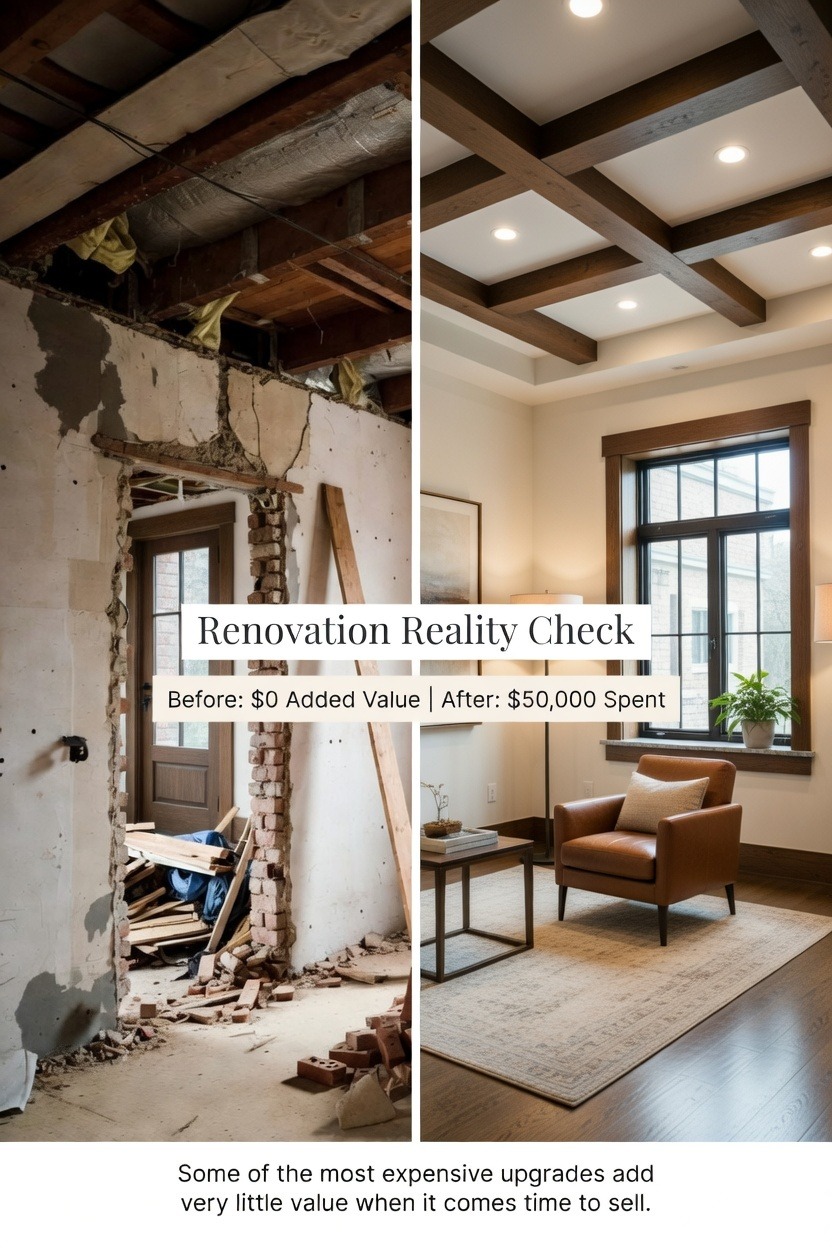
As both a realtor and a contractor, I’ve seen homeowners spend tens of thousands of dollars on renovations that look great but add little to no value when it comes time to sell.
The reason is simple: many people renovate based on personal taste, while buyers make decisions based on broad appeal and practicality.
Here are some of the renovations that often waste the most money.
Professional-grade appliances can be impressive. Brands like Sub-Zero, Wolf Appliance, and Viking Range are beautiful and high quality—but they often cost $15,000 to $30,000 or more for a full kitchen set.
The problem is that most buyers simply don’t value them enough to justify the price.
Too many buyers, stainless steel appliances that are clean, modern, and functional look just as appealing as luxury brands.
Unless you’re remodeling a true luxury home, these high-end appliances rarely return their cost.
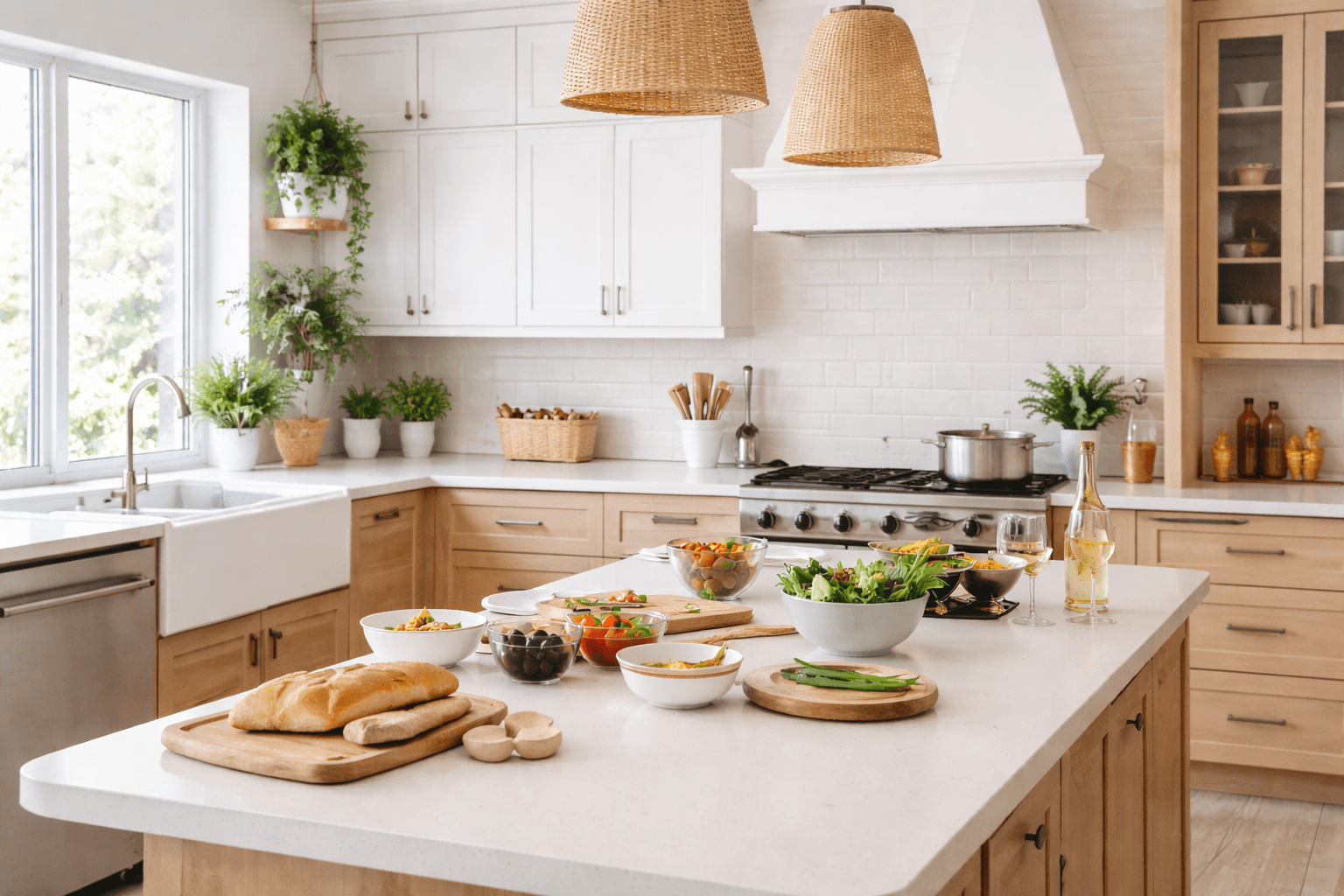
The kitchen is one of the most important rooms in a home, but over-customizing it can actually hurt resale value.
Examples include:
What homeowners love might not appeal to buyers. Neutral and timeless designs tend to perform much better in the resale market.
Walk-in showers are very popular right now, and for good reason—they look modern and feel spacious.
However, removing every bathtub in a house can be a mistake.
Families with young children often need at least one tub, and many buyers see a home with no bathtubs as less practical.
A common rule of thumb in real estate is simple:
Keep at least one bathtub somewhere in the house.
Outdoor living spaces can be fantastic, but extremely elaborate outdoor kitchens don’t always add much resale value.
Some homeowners invest $30,000 to $70,000 into outdoor cooking areas with built-in grills, refrigerators, bars, and custom stonework.
While these spaces can be beautiful, they often appeal to a smaller group of buyers.
A simple patio with a grill area and seating space often provides a better balance of cost and value.
Design trends change quickly, and renovations based purely on trends can age faster than expected.
Some examples of trends that have quickly come and gone over the years include:
When remodeling for long-term value, it’s often better to focus on timeless design choices rather than chasing trends.
Technology in homes is evolving quickly, but not all tech upgrades add value.
Smart refrigerators, touch-screen appliances, and highly specialized gadgets may look impressive at first—but they can become outdated quickly.
Buyers tend to prioritize things that improve comfort and usability, such as better lighting, better layouts, and modern kitchens and bathrooms.
Many homeowners fall into what I call the “renovation trap.”
It happens when people invest heavily in upgrades that make the home feel luxurious to them personally but don’t significantly increase resale value.
The goal should be balance:
Upgrade the areas buyers care about most while avoiding improvements that only appeal to a small audience.
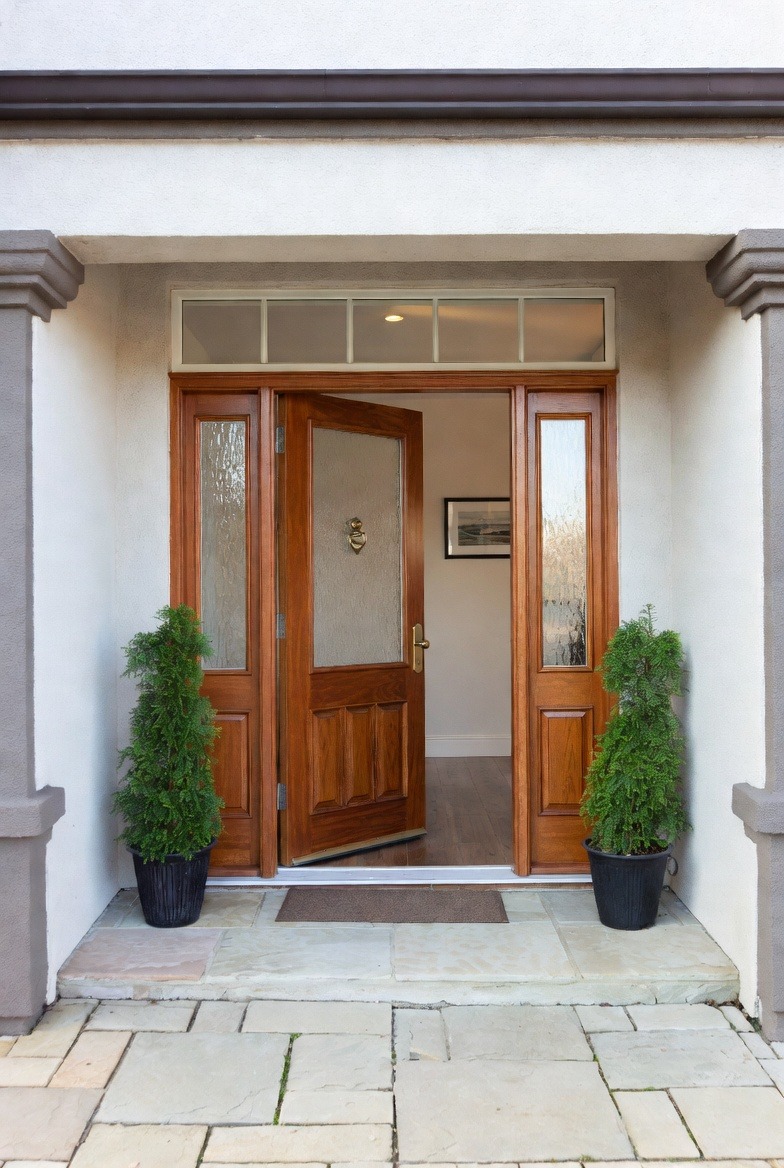
The smartest renovations usually focus on the things buyers notice first:
These improvements tend to create the biggest visual impact and the strongest return.
Renovating a home is one of the best ways to improve how a space looks and functions—but not every upgrade adds financial value.
Some of the most expensive improvements are actually the ones buyers care about the least.
The key is focusing on renovations that create broad appeal, improve functionality, and make the home feel updated without becoming overly customized.
With the right approach, remodeling can dramatically improve both how a home feels to live in and how it performs on the market.